A Practical Guide to CLEAPSS School Laboratory Design
Updated: 8 hours ago
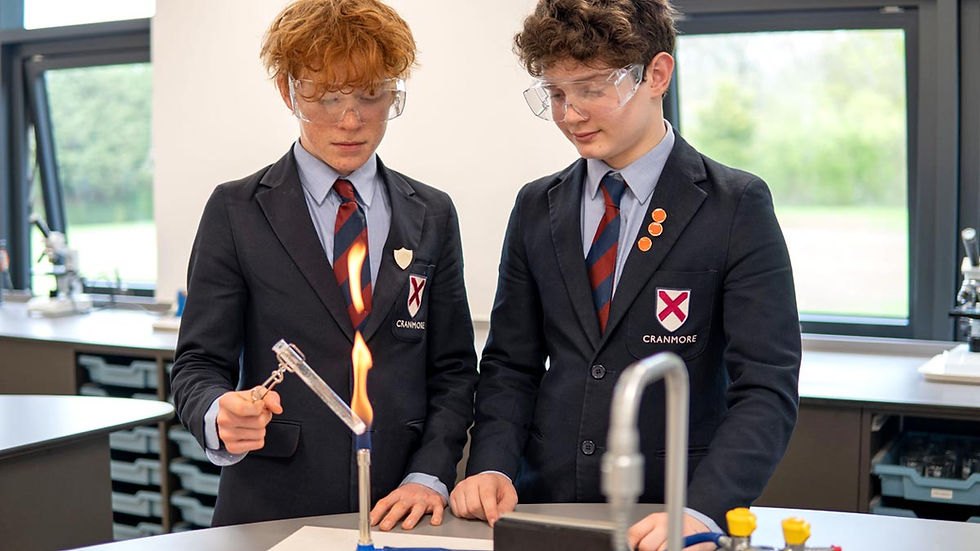
Practical science is at its best when students can safely light burners, set up experiments and handle real chemicals - not just watch from the back of the room. But with gas, electricity, corrosive substances and heat all in one space, school laboratories must be designed and run with safety at their core.
In the UK, CLEAPSS is widely regarded as the gold standard for safe practical science. For schools designing or refurbishing science labs, prep rooms and chemical stores, CLEAPSS is not a formal accreditation or certificate - but its guidance is the benchmark most local authorities, advisors and inspectors expect you to work to.
With schools placing increased focus on safety, curriculum delivery and value for money, This guide explains what that means in practice: how CLEAPSS shapes room layout, ventilation, furniture and storage - and how schools can create science spaces that are safe, effective and attractive long after the builders have left.
Table Of Contents
What is CLEAPSS?
CLEAPSS (Consortium of Local Education Authorities for the Provision of Science Services) is a UK advisory service that provides schools with:
Health and safety guidance for practical science, D&T and related subjects
Model and bespoke risk assessments
Resources such as Hazcards, Student Safety Sheets and the Laboratory Handbook
Advice on facilities, equipment, chemical storage, fume cupboards and more
Its advice is used by:
Local authorities
HSE inspectors
Professional bodies such as the ASE (Association for Science Education)
More on CLEAPSS : CLEAPSS and School Learning Spaces: A Guide for Planning Projects
Why CLEAPSS Matters in Science Lab Design
While numerous laboratory designs showcased online may appear attractive, many would not satisfy CLEAPSS expectations or good practice. Visual appeal is only one aspect, the critical factor is whether the technical design enables safe, sustainable and effective practical activity.

Compliance with UK school safety legislation
CLEAPSS guidance dovetails with:
These laws do not state “you must follow CLEAPSS”, but they do require schools to:
Provide a safe environment
Assess and control risks
Use appropriate equipment and facilities
CLEAPSS provides the practical detail that turns those legal duties into day-to-day design and operational decisions. Designing in line with CLEAPSS means your labs are much more likely to satisfy both statutory duties and professional scrutiny.
Avoiding costly redesigns or non-compliance
Without considering CLEAPSS early, common issues arise such as poor circulation space, poorly positioned fume cupboards, inadequate ventilation in chemical stores, or insufficient service points. These design errors are fully avoidable when CLEAPSS and relevant safety guidance inform the initial brief.
Ignoring this upfront can lead to expensive remedial work, limited practical capability and potential issues during inspections or health and safety reviews.
Ensuring labs support safe practical learning - not just theory
A CLEAPSS-informed lab is designed to enable practical teaching, not just theory. This includes providing sufficient working space, separating wet and dry zones, positioning fume cupboards appropriately and ensuring storage and services support efficient setup and clear-down.
When planned this way, the lab itself becomes a teaching asset-supporting safe, confident and frequent hands-on learning.
CLEAPSS Requirements That Affect Lab Layout & Fittings
A CLEAPSS-informed laboratory is more than furniture and equipment - it is shaped by key documents such as Hazcards, Student Safety Sheets, the Laboratory Handbook, chemical storage guidance and risk assessments. These resources influence how a lab is designed, fitted out and used day to day.

Hazcards and Design Impact
Hazcards outline the hazards and safe handling requirements for chemicals, informing decisions around ventilation, fume cupboards, chemical-resistant finishes and secure storage for corrosives, flammables and oxidisers. Where higher-risk chemicals are used, the layout must support safe handling, supervision and disposal.
Risk Assessments and Space Planning
CLEAPSS model risk assessments guide circulation routes, bench spacing, zoning of wet and dry areas and proximity of activities such as burner work and microscope use. A space may look impressive, but if movement, supervision or evacuation is compromised, it is not aligned with good practice.
Fume Cupboards (CLEAPSS G9)
Fume cupboards are a key technical component, and CLEAPSS G9 outlines suitability, performance, testing and clearance requirements. Placement must support visibility, airflow and access - especially for A-level use - and prep rooms may also require a dedicated unit.
Chemical Storage and Room Planning
Storage requirements go beyond cupboards. CLEAPSS guidance covers segregation, ventilation, fire protection and secure access, meaning chemical stores must be positioned safely and logically - close to technician workflow but isolated from teaching spaces and escape routes.
Student Safety Sheets
These provide age-appropriate safety guidance and should be visible and accessible, whether displayed, printed or provided digitally. In a well-planned lab, safety information is easy to reference, not hidden away.
The Laboratory Handbook
The handbook underpins specifications for finishes, lighting, drainage, emergency equipment and service isolation points. It ensures the room is not only safe and compliant but also practical, durable and effective for everyday teaching.
Designing CLEAPSS-Informed Spaces

CLEAPSS design principles apply across three main areas:
Science laboratories
Prep rooms
Chemical stores
Each has its own requirements, but all three must work as a coherent system.
Science laboratories
Room Size and Layout
Although exact measurements vary, CLEAPSS, ASE and DfE guidance consistently highlight the need for sufficient space for movement, supervision and safe evacuation. In practice, this means providing around 2 m² per student in practical areas, clear circulation routes of approximately 1.2 metres between benches and unobstructed doorways.
CLEAPSS-informed design avoids dead-end aisles, maintains clear teacher sightlines and ensures there is suitable space around demonstration areas and fume cupboards.
Bench Arrangement
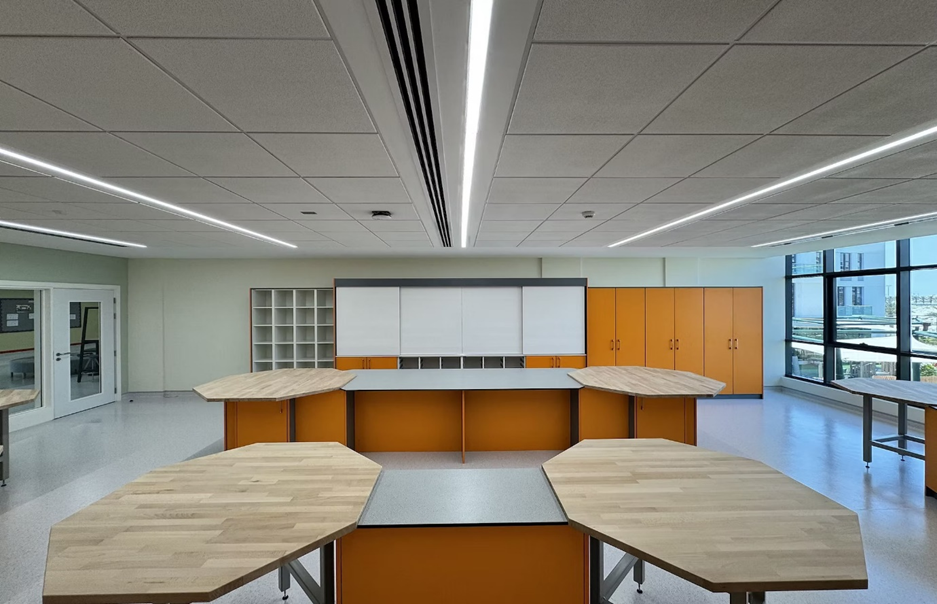
Wet and dry activities should be separated to reduce risk and improve usability. This often results in perimeter benches for fixed services and island or mobile benches for practical work, with a clear teaching zone at the front of the room.
Good spacing supports supervision, reduces the need to carry equipment through crowded areas and keeps electrical equipment away from sinks and spill zones.
Services and Fixtures
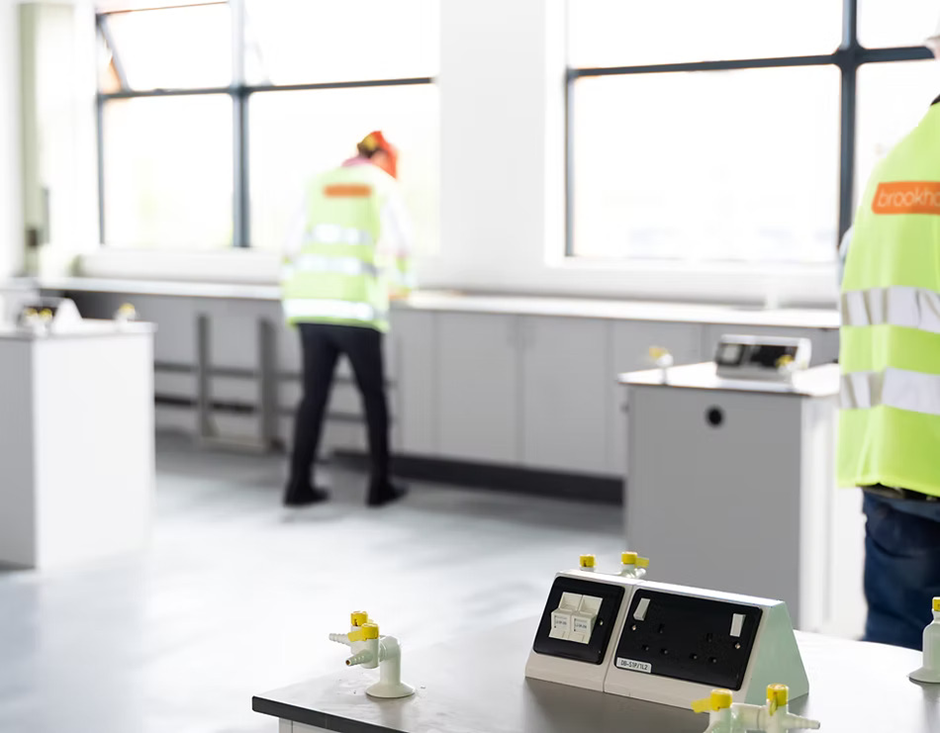
Well-planned labs normally include multiple sinks with appropriate drainage, grouped gas taps with emergency shut-off and electrical sockets positioned safely above work height with RCD protection. These layouts are intended to support safe setup and minimise trailing cables, hoses or trip hazards.
Zoning and Safety
Gas manifolds, isolation points and emergency controls must be accessible to staff. High-risk activities such as open flames or chemical handling should be positioned away from ICT zones, exits and the teacher’s workstation. Effective zoning helps demonstrate that risks have been considered and designed out where possible.
Ventilation and Extraction
Ventilation planning should reflect expected practical activity, including whether a fixed or mobile fume cupboard is required. CLEAPSS G9 outlines suitability, performance and clearance expectations. Air supply, airflow management and noise levels must be considered to ensure ventilation supports safe teaching rather than hinder it.
Safety Stations
Eyewash facilities, fire blankets, appropriate extinguishers and PPE storage should be positioned for quick access and clearly shown in the design drawings rather than added retrospectively.
Prep rooms
Prep rooms are often the unsung heart of a science department. CLEAPSS sees them as:
The main base for technicians
The “staging area” for practical work
A key location for receiving, diluting and decanting chemicals
To meet CLEAPSS expectations, prep rooms should include:
Generous worktop space with chemical-resistant finishes
Sinks large enough to handle trays, glassware and spill management
At least one fume cupboard if hazardous work is done there - with CLEAPSS G9-compliant width, ventilation and services
Secure storage for tools, glassware, fragile kit and radioactive sources where applicable
Logical routes to and from teaching labs, avoiding public corridors where possible
Technicians also need space for:
Trolleys and mobile benches
Waste-segregation points
Access to Student Safety Sheets, Hazcards and the Lab Handbook for planning and risk assessment
Chemical stores
Chemical stores must be purpose-designed spaces, not improvised cupboards. CLEAPSS recommends a secure, lockable room with appropriate ventilation, fire-resistant construction and shelving that enables safe segregation of acids, alkalis, oxidisers and flammables. Spill containment, clear labelling and safe movement space are also essential.
The store should be positioned close enough to support technician workflow, but never on escape routes or in high-traffic areas.
Equipment & Furniture that Supports CLEAPSS Guidance

Equipment and Furniture
Once the layout is established, the specification of equipment and furniture determines how effectively the space supports CLEAPSS-aligned teaching.
Fume Cupboards (CLEAPSS G9)
CLEAPSS G9 outlines performance requirements, testing, maintenance and appropriate use of ducted or recirculating cupboards. In most cases, ducted cupboards are recommended for A-level or higher-risk work, with additional units in prep rooms for technician use. Positioning must support visibility, access and safe airflow.
Worktops and Surfaces
Worktops should meet relevant CLEAPSS and BS EN standards for chemical resistance, heat tolerance and durability. Materials such as solid-grade laminate or epoxy resin are commonly used, with careful detailing around joints and splash zones.
Storage
Reagent storage should be secure and clearly labelled. Dedicated acid/alkali cabinets and flammables storage must meet appropriate standards, and mobile storage can provide flexibility while remaining secure when not in use.
Benching
CLEAPSS does not require fixed furniture throughout. Mobile benches can support different teaching formats and accessibility needs, provided services and evacuation routes remain safe and unobstructed.
Fixtures and Fittings
Items such as taps, sinks, wastes and hinges must be chemical- and heat-resistant to avoid premature wear. Protective mats may be needed in high-temperature working areas.
Floors and Walls
Flooring and wall finishes should be slip-resistant, chemical-resistant and easy to clean. Good detailing around edges and junctions helps prevent residues accumulating and supports long-term hygiene and maintenance.
Who in the School Uses CLEAPSS Guidance?
CLEAPSS supports multiple roles, and effective design considers the needs of each.
Science Technicians
Technicians use Hazcards, Student Safety Sheets and the Laboratory Handbook daily. They manage chemical stores, prepare practicals and maintain equipment, so they benefit from logical prep-room layouts, efficient routes to labs and accessible storage, sinks and fume cupboards.
Heads of Science
Heads of department shape the curriculum and ensure safe culture and practice. They need laboratories that support a full range of practical work, reflect recognised guidance and remain adaptable as teaching requirements evolve.
Design Teams and Estates
Architects, estates teams and lab designers translate CLEAPSS guidance into drawings, specifications and tender documentation. CLEAPSS gives them a clear performance framework and technical reference.
Senior Leadership and Governors
Leadership teams carry legal responsibility for safety and sign off investment. Clear alignment with CLEAPSS provides confidence that the school is following recognised good practice.
How Schools Can Stay CLEAPSS-Informed Over Time
Designing a CLEAPSS-aligned space is only the beginning - ongoing processes are essential to keep environments safe and functional. The following checklist offers a simple framework:
Staff Training: Ensure teachers and technicians understand how to use Hazcards, Student Safety Sheets and model risk assessments, and know where emergency shut-offs, fume cupboards and safety equipment are located.
Annual Safety and Equipment Checks: Regularly inspect gas taps, sinks, eyewash points, PPE storage, signage and surfaces to ensure they remain safe, visible and in good condition.
Fume Cupboard Maintenance: Test and maintain fume cupboards in line with CLEAPSS and manufacturer guidance. Keep records of face-velocity tests, filter changes and any repairs.
Update Records and Risk Assessments: Review documentation when new experiments, equipment or room layouts are introduced, and ensure CLEAPSS updates are accessible and current.
Chemical Storage Audits: Audit chemical stock at least annually to remove outdated items, verify labelling and check segregation and storage arrangements remain appropriate.
Apply CLEAPSS to Future Works: When refurbishing, adding new labs or relocating prep or store areas, build CLEAPSS guidance into the project brief and involve both staff and experienced design teams early.
How Brookhouse Supports CLEAPSS Laboratory Projects
Designing or refurbishing a school science laboratory is a long-term investment, and aligning the space with CLEAPSS guidance from the outset helps ensure safety, functionality and long-term teaching confidence. For over 40 years, Brookhouse has supported schools, academies and colleges in creating laboratories built for real classroom use and modern practical science.
As one of the UK’s leading specialists in school laboratory design and refurbishment, we combine compliance expertise, in-house technical design and precision manufacturing to deliver spaces that function well in practice-not just on drawings.
A Turnkey Service for Practical Learning Spaces
Brookhouse manages the full process, meaning schools work with a single, experienced provider from early planning to handover and aftercare. CLEAPSS guidance is integrated throughout.
Consultation and Discovery: We begin by understanding your curriculum, student numbers, intended use and building constraints. This stage usually involves Heads of Science, technicians, estates teams and senior leaders to ensure decisions reflect real operational needs-not assumptions.
Technical Laboratory Design: Our design team translates these requirements into detailed layouts and service plans that support safe supervision, storage, circulation and workflow. Designs incorporate CLEAPSS considerations such as zoning, fume cupboard placement and service routing.
Laboratory planning and design services
In-House Manufacturing and Specification: Unlike general contractors, we manufacture science furniture in the UK, allowing us to specify durable finishes suited to spills, heat and repeated use. Bench systems, safety storage, fume cupboards and service points are selected not only for appearance, but for suitability in practical teaching environments.
Educational furniture manufacturing
Installation, Commissioning and Handover: Our installation teams specialise in educational projects. Commissioning includes safety checks, fume cupboard testing and walkthroughs with teaching and technical staff.
Fume cupboard supply and installation
Ongoing Support and Aftercare: Science departments evolve as curriculum and equipment change. We provide optional support including maintenance, additional storage, layout changes and refurbishment planning.
Aftercare and maintenance services
Why Schools Choose Brookhouse
Schools and MATs choose Brookhouse because our spaces are:
Designed using CLEAPSS principles from the start
Manufactured and installed by teams specialising in education
Built to withstand daily practical use and frequent cleaning
Modular and adaptable for future upgrades or cohort growth
Delivered through a managed process that minimises disruption
Check Out Our Other Projects : Case studies
A Laboratory Designed for Today - and Tomorrow
A CLEAPSS-aligned laboratory is more than a compliant room. It is a safe, efficient and adaptable environment that gives teachers confidence and enables students to access meaningful practical learning.
Brookhouse ensures your investment delivers long-term value-for staff, pupils and leadership teams.
If you are planning upgrades, expanding your science provision, or exploring refurbishment options, our team can help you understand what is possible within your building, timescales and budget.
https://sunwin79.mobi/ nhìn kiểu như mấy site mình từng lướt trước đây nhưng bớt rối hơn hẳn, nên mình vào thử cho biết chứ không định xem kỹ.. Chỉ lướt nhanh tổng thể nên chưa tìm hiểu sâu, nhưng ấn tượng ban đầu là bố cục khá rõ ràng, các phần được chia hợp lý nên nhìn không bị rối mắt. Nội dung hiển thị gọn gàng, dễ theo dõi, thanh menu đặt ở vị trí dễ thấy nên việc chuyển qua lại giữa các mục cũng khá nhanh. Khi truy cập bằng điện thoại, trang vẫn hoạt động ổn định, thao tác mượt. Tổng thể mang cảm giác đơn giản, dễ dùng.
Hôm nay mình đang lướt qua một vài trang mạng và thấy nhiều bàn về https://uu8886.net/ đặc biệt là về các thông tin có thể thao tác trực tuyến. Có hôm mình mở thể thao rồi chuyển qua vài nội dung khác của nền tảng, thao tác nhìn chung vẫn khá thuận mắt. Mình cũng khá quan tâm việc nền tảng kết hợp giữa bảo mật tài khoản và nhiều lựa chọn giao dịch nên lúc dùng cảm thấy yên tâm hơn. tạo cảm giác dễ tìm kiếm thông tin nên người mới cũng không mất nhiều thời gian để làm quen.
Designing safe and effective school laboratories is essential for hands-on learning, and CLEAPSS provides valuable guidance for achieving this. In a similar way, BPP University emphasizes practical, industry-aligned learning environments that prepare students for real-world challenges. By integrating safety, innovation, and experiential education, BPP University ensures learners develop both technical expertise and the critical thinking skills necessary to excel in their chosen fields.